
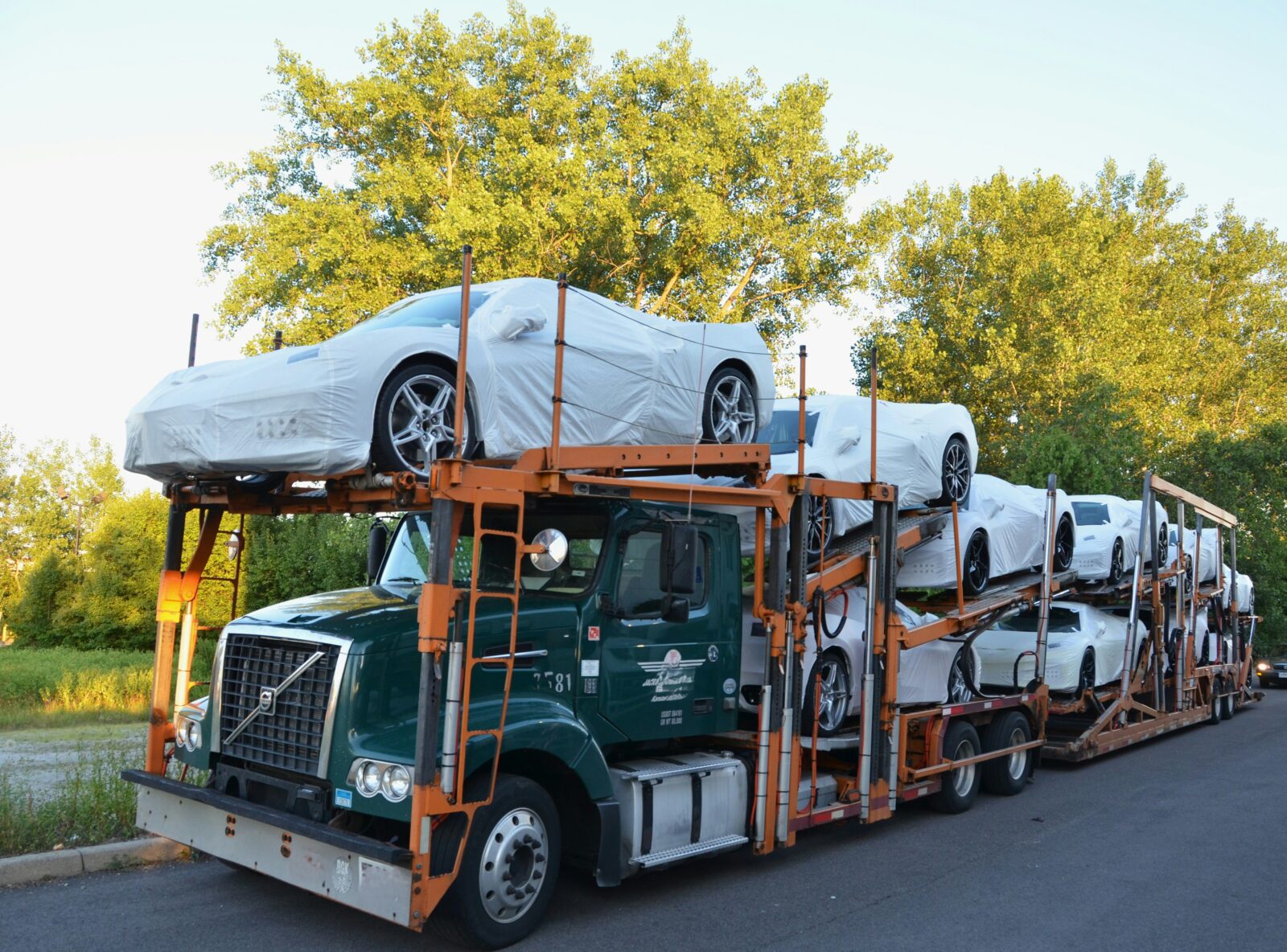

So you’re moving to Nevada — or maybe you just scored a deal on a car from an out-of-state dealer and now you need to figure out how to get it across the country without putting 2,000 miles on the odometer. Either way, shipping a car to Nevada is more straightforward than most people expect, but there are a few things worth knowing before you book anything.
Let’s break it down honestly.
How Much Does It Actually Cost to Ship a Car to Nevada?
The honest answer: it depends on where you’re shipping from. That said, here are real-world ballpark figures based on typical routes:
| Origin | Destination | Estimated Cost (Open Transport) |
| New York / New Jersey | Las Vegas | $1,100 – $1,500 |
| Chicago, IL | Las Vegas | $850 – $1,200 |
| Miami, FL | Las Vegas | $1,000 – $1,400 |
| Seattle, WA | Las Vegas | $600 – $900 |
| Dallas, TX | Las Vegas | $700 – $1,000 |
A few things that move the needle on price:
Time of year. Spring and early summer see higher demand — a lot of people relocate after the school year ends, and snowbirds heading back north in March/April create a temporary crunch. If you can ship in late fall or early winter, you’ll often find better rates.
Open vs. enclosed transport. Open carriers are cheaper and handle 90% of shipments just fine. Enclosed is worth the extra $300–$600 if you’re shipping a classic, exotic, or anything you’d be genuinely heartbroken to see with a chip in the paint.
How quickly you need it. Standard delivery gives carriers a 1–5 day pickup window, which keeps costs down. If you need guaranteed pickup on a specific date, expect to pay a premium.
Your pickup and drop-off locations. Las Vegas itself is a major hub — carriers run routes through it constantly because it’s a high-traffic city. That actually works in your favor on pricing. Remote parts of Nevada (rural towns, areas north of Reno) are a different story and may cost more or require terminal pickup.
The Main Routes Into Nevada
Nevada sits in a weird geographic spot that’s both an advantage and occasionally a headache for auto transport. It’s not on the coasts, but it’s not landlocked either — it’s a major crossroads.
I-15 corridor is the workhorse. Carriers coming from Southern California, Arizona, and the Southwest use this constantly. It feeds directly into Las Vegas, which means high carrier availability and competitive pricing on these lanes.
I-80 corridor handles northern Nevada, including Reno. Shipments from the Pacific Northwest, Northern California, and the Midwest typically come through here. Reno is actually well-served — it’s a growing city and carriers stop there regularly.
I-40 / I-70 from the East. Long-haul shipments from the Midwest and East Coast usually travel I-70 through Denver and then connect south, or take I-40 through Albuquerque and come in from the south. Chicago to Las Vegas, for example, runs about 1,750 miles and typically takes 4–7 days in transit.
What Vegas Delivery Actually Looks Like
This is the part most people don’t think about until the day before their car shows up.
Las Vegas is a dream destination for carriers — high volume, good infrastructure, and the city itself is navigable by truck. But a few things are worth knowing:
Door-to-door means “as close as safely possible.” If you’re in a gated community, have a narrow residential street, or live somewhere a 75-foot carrier can’t physically reach, the driver will call you and arrange a nearby meetup point. Usually it’s a grocery store parking lot or a wide side street a few blocks away. This is normal and not a sign anything went wrong.
Timing windows are real. Carriers give you a delivery window, not a precise time. The driver will typically call 30–60 minutes out. Someone needs to be present to inspect the vehicle and sign the Bill of Lading — you can’t just leave a key under the mat.
Do a real inspection. When the car comes off the carrier, walk around it with the driver. Check it in daylight if at all possible. Mark any existing damage on the delivery inspection report before you sign. Once you sign without noting something, it becomes very difficult to file a damage claim later. This step takes five minutes and protects you completely.
The Bill of Lading is your contract. Keep a photo of both the pickup and delivery copies. If there’s ever a dispute, these are your evidence.
Terminal vs. Door-to-Door in Nevada
Most people shipping to Las Vegas use door-to-door service, and for good reason — it’s more convenient and often not significantly more expensive given how carrier-dense the route is.
Terminal shipping means you drop your car at a storage lot, and a carrier picks it up from there on their schedule. This can lower cost slightly but adds unpredictability. You also need to factor in how you’d get home after dropping the car, and how you’d get to the terminal for pickup on the other end.
For Las Vegas specifically, door-to-door almost always makes more sense. The city is large, terminals can be inconveniently located, and the pricing difference is often smaller than people expect on this route.
A Few Things That Catch People Off Guard
Your car needs to run (usually). Inoperable vehicles can be shipped, but they require special equipment to load and unload, which adds cost — typically $150–$300 extra. If your car has a dead battery or won’t start, disclose this upfront.
Personal items in the car. Most carriers don’t allow it, or allow very little (under 100 lbs in the trunk, out of sight). Your car isn’t a moving truck. More importantly, those items aren’t covered by carrier insurance if something happens.
Insurance is already included. Reputable carriers carry cargo insurance covering your vehicle in transit. You don’t need to purchase separate insurance. That said, verify coverage limits — standard is usually $100,000 per load.
Fuel level. Keep the tank at about a quarter full. Enough to load and unload, not enough to add unnecessary weight.
How to Choose a Carrier You’ll Actually Trust
The auto transport industry has a lot of brokers in it — some good, some just collecting fees. Here’s what to look for:
- FMCSA registration — verify the carrier’s MC number on the FMCSA website before you book anything
- Real reviews — look for detailed reviews on Google and Transport Reviews, not just star counts
- Clear pricing — any quote that requires a deposit before they’ll tell you the full price is a red flag
- Actual communication — a company that’s hard to reach before booking will be harder to reach when you need an update
If you want to skip the homework, Mile Auto Transport specializes in door-to-door vehicle shipping and handles a high volume of Nevada routes. They’re Chicago-based and work with vetted carriers across the country — worth checking for quotes if you’re comparing options.
If you bought the car from a dealer out of state — which is one of the most common reasons people end up shipping to Nevada in the first place — their transport car from dealership service handles exactly that scenario, including direct pickup from the lot.
Bottom Line
Shipping a car to Nevada — Las Vegas especially — is one of the more straightforward routes in the country. High carrier demand, well-established corridors, and major city infrastructure all work in your favor. Plan around a 4–7 day transit window from the Midwest or East Coast, budget $850–$1,500 depending on origin, and choose door-to-door unless you have a specific reason not to.
The things that trip people up are almost always paperwork-related: not inspecting thoroughly at delivery, not keeping copies of the Bill of Lading, or booking through a broker without verifying the actual carrier’s credentials. Do those basics right and you’ll have a story about your car arriving safely — not one worth telling at a dinner party.