
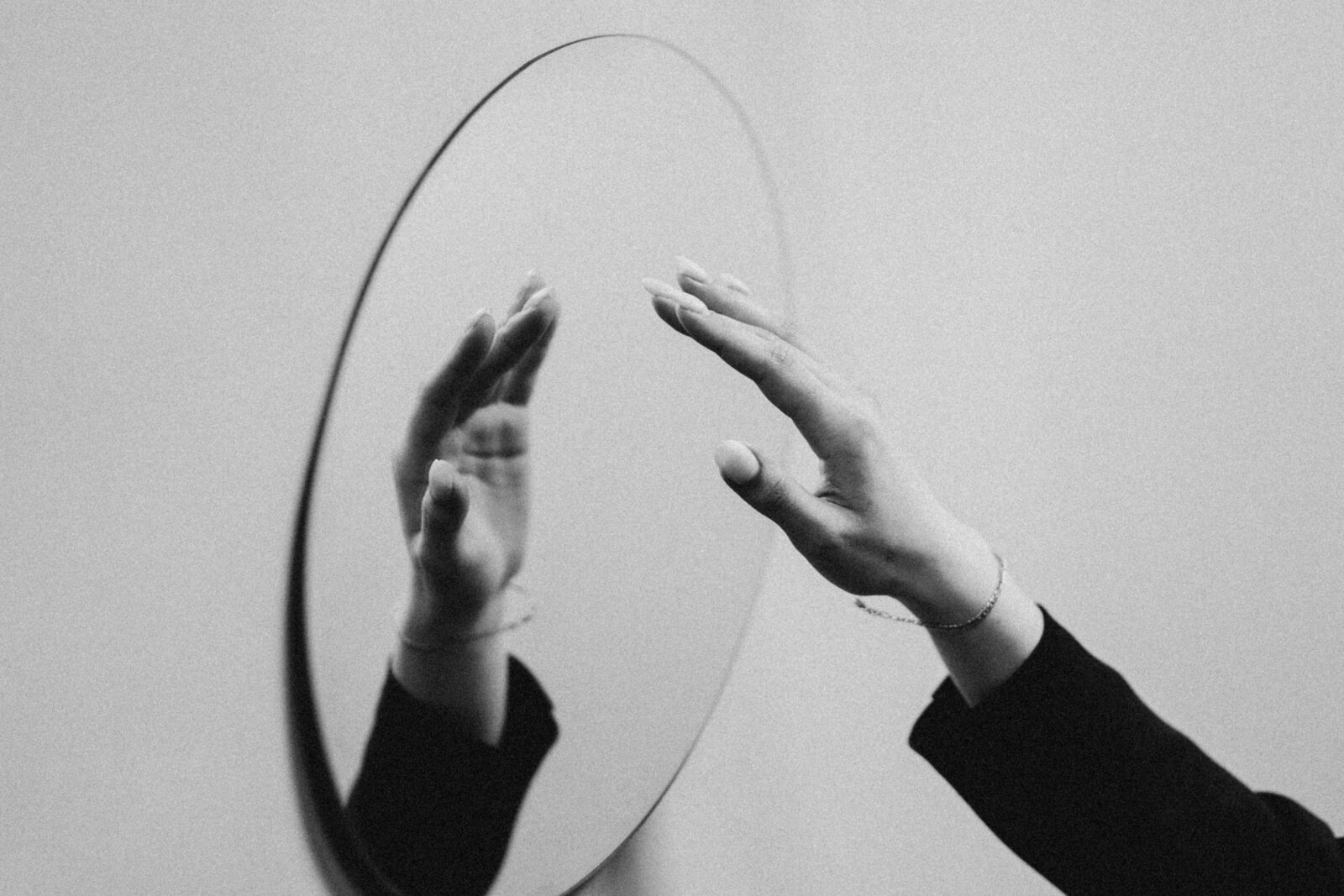

A mirror is one of the most common objects in any home, yet it often plays a much bigger role than simply showing our reflection. From helping us get ready in the morning to making a small room feel larger, mirrors can be both practical and decorative. With the right style and placement, a mirror can completely change the look and feel of a space.
How Does a Mirror Work?
A traditional mirror works by reflecting light from its smooth surface. Most modern mirrors are made using a sheet of glass with a thin reflective coating on the back. When light reaches the surface, it bounces back toward our eyes, allowing us to see a clear reflection.
The quality of the reflection depends on how smooth and evenly coated the surface is. This is why a proper glass mirror provides a much clearer image than shiny or uneven materials.
Choosing the Right Mirror for Your Space
Mirrors come in many shapes, sizes, and designs, so choosing one depends on both function and style. A large rectangular mirror can work well above a bathroom vanity, while a round mirror can add softness to a living room or bedroom.
For narrow spaces, a tall mirror can create the impression of greater height. A wide mirror, on the other hand, can make a room appear broader. Full-length mirrors are especially useful in bedrooms, dressing areas, and entryways.
The frame is another important consideration. Wood frames can create a warm and traditional appearance, while metal frames often suit modern or industrial interiors. Frameless mirrors provide a clean and simple look that works well with contemporary designs.
Using Mirrors to Make Rooms Feel Bigger
One of the most useful benefits of a mirror is its ability to make a room feel more open. When placed strategically, a mirror reflects light and creates the visual impression of additional space.
This can be particularly helpful in small apartments, hallways, and compact bedrooms. Positioning a mirror opposite a window can also help distribute natural light throughout the room. However, the reflected view matters too. A mirror should ideally reflect something attractive, such as artwork, a window, or an interesting architectural feature.
Decorative Mirrors as a Design Element
A mirror does not always have to serve a practical purpose. Decorative mirrors can become a focal point in a room, much like artwork.
An oversized statement mirror above a fireplace or console table can create an impressive centerpiece. Several smaller mirrors arranged together can also create an interesting wall display. Different shapes, frames, and finishes can be combined to create a personalized look.
When choosing a decorative mirror, consider the existing furniture, wall color, lighting, and overall style of the room. The goal is to make the mirror feel like part of the design rather than an object that was added afterward.
Caring for Your Mirror
Proper maintenance can help keep a mirror clear and attractive for years. Dust should be removed regularly using a soft, clean cloth. For deeper cleaning, use a suitable glass cleaner and avoid soaking the edges of the mirror.
Excess moisture around the edges can damage the reflective backing over time. In bathrooms, good ventilation is especially important because repeated exposure to humidity can affect the mirror.
Final Thoughts
A mirror can be much more than a useful household item. It can brighten a room, create a sense of space, complement furniture, and add personality to an interior. Whether you choose a simple bathroom mirror, a full-length design, or a bold decorative piece, the right mirror can make a noticeable difference.
By considering its size, shape, frame, placement, and surroundings, you can use a mirror to improve both the function and appearance of almost any room.